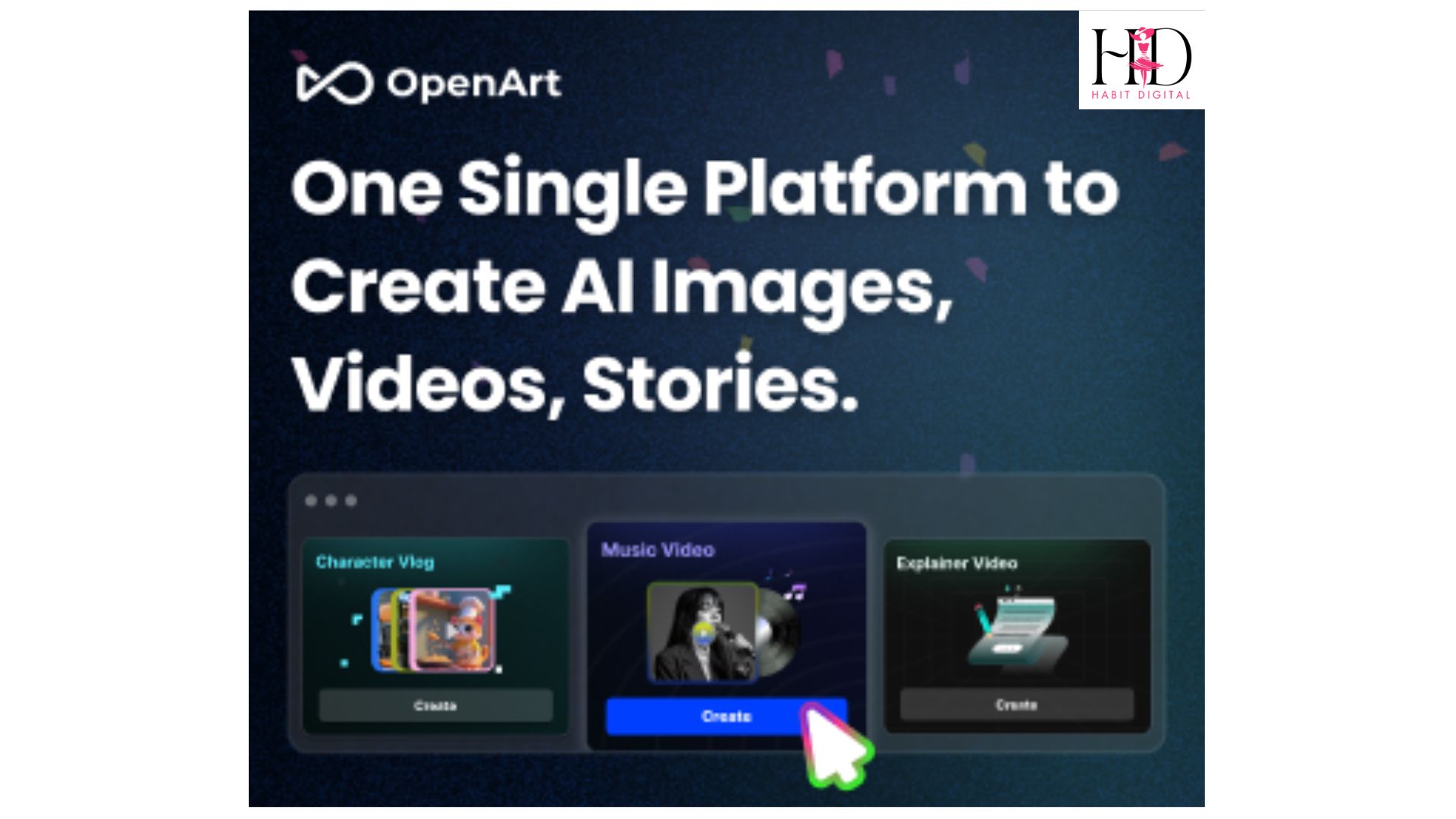
Digital art has always evolved alongside technology, but the rise of artificial intelligence has accelerated this transformation in ways few could have imagined. Today, artists, designers, marketers, and creators are no longer limited by traditional tools or technical skill alone. Platforms like open art are reshaping how creative ideas are imagined, developed, and brought to life, making digital art more accessible, faster to produce, and endlessly flexible.
Making Art Creation Accessible to Everyone
For many people, digital art once felt intimidating. Learning complex software, mastering techniques, and investing time into skill development were significant barriers. open art removes many of these obstacles by allowing users to create visuals simply by describing what they imagine.
Whether someone is an experienced artist or a complete beginner, the ability to turn text prompts into detailed artwork opens creative doors. This accessibility encourages experimentation and allows more people to participate in digital creativity without fear of technical limitations.
Speeding Up the Creative Process
Time is one of the most valuable resources for modern creators. Designers working on tight deadlines, content creators managing multiple platforms, and entrepreneurs building brands all need visuals quickly. open art dramatically reduces the time it takes to go from idea to finished image.
Instead of starting from a blank canvas, users can generate high quality artwork in seconds. This doesn’t replace creativity but enhances it by giving creators more time to refine ideas, test variations, and focus on storytelling rather than technical setup.
Expanding Creative Possibilities
Traditional digital art tools often require creators to work within specific styles or limitations. With open art, experimentation becomes effortless. Users can explore multiple artistic styles, color palettes, compositions, and moods without starting over each time.
This flexibility allows creators to push boundaries and discover visual directions they may never have considered. It also helps artists break creative blocks by offering fresh inspiration when ideas feel stuck.
Supporting Professionals and Businesses
AI generated art is not just for hobbyists. open art is increasingly used by professionals across industries. Graphic designers use it for concept development, marketers create eye catching visuals for campaigns, and small businesses design branding assets without large budgets.
For social media managers and bloggers, the platform offers a fast way to create unique images that stand out in crowded feeds. The ability to generate original visuals also reduces reliance on stock photos, helping brands maintain a more authentic identity.
Encouraging Collaboration Between Humans and AI
One of the most exciting changes brought by open art is the shift from viewing AI as a replacement to seeing it as a creative partner. Artists remain in control of the vision, while AI helps execute ideas more efficiently.
Creators can refine prompts, guide styles, and adjust outputs until the result matches their intent. This collaboration enhances creativity rather than diminishing it, blending human imagination with machine efficiency.
Opening New Opportunities for Learning and Growth
For aspiring artists, open art serves as an educational tool. By experimenting with prompts and styles, users gain insight into composition, lighting, and visual storytelling. This hands on exploration can complement traditional learning and build confidence over time.
Teachers and students are also beginning to explore AI art platforms as creative learning tools, encouraging innovation and curiosity rather than rote instruction.
Redefining the Future of Digital Art
The impact of open art goes beyond convenience. It represents a broader shift in how digital art is created and consumed. As AI tools become more refined, creators will have even greater freedom to explore ideas without technical or financial barriers.
Rather than replacing traditional art, platforms like open art expand the creative ecosystem. They empower more voices, encourage experimentation, and redefine what it means to be a digital artist in a technology driven world.
Final Thoughts
Digital art is no longer limited by skill level, software complexity, or time constraints. With platforms like open art, creativity becomes more inclusive, dynamic, and expressive. By combining human imagination with AI powered tools, creators can focus on what truly matters telling stories, sharing ideas, and bringing visions to life in new and exciting ways.